
My goal is to create 3D-printed figurines inspired by African and Greek mythology, primarily to be sold in art galleries, with the potential to be used as 3D assets online. Each piece blends storytelling, intricate design, and mythological inspiration, making them ideal for both physical displays and digital formats.
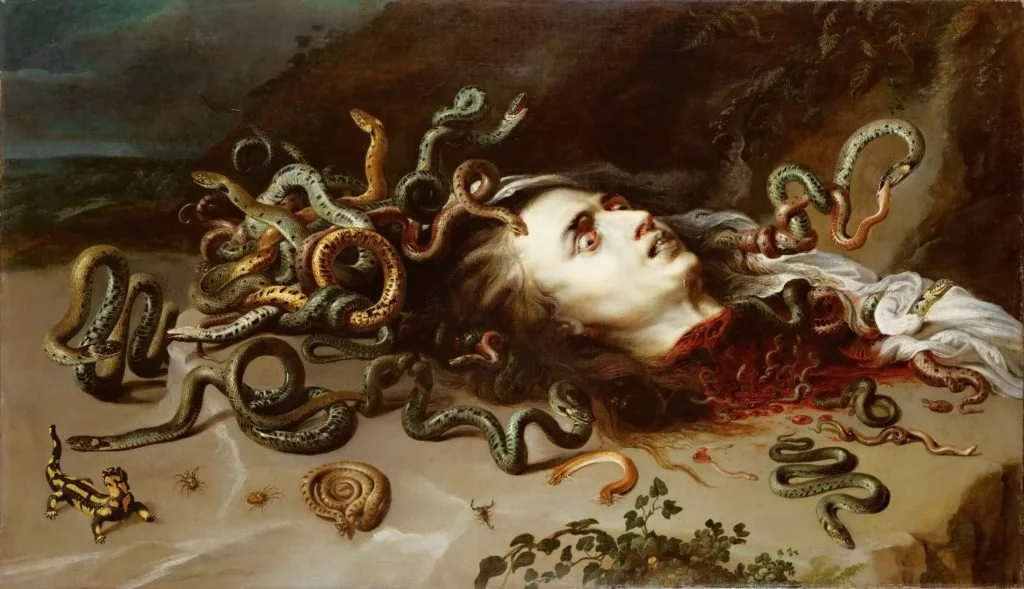
Medusa (Greek Mythology)
Medusa, originally a beautiful woman, was transformed into a Gorgon as a punishment by the goddess Athena. In her monstrous form, Medusa had snakes for hair and the power to turn anyone who gazed directly at her into stone. She is one of three Gorgon sisters but was the only mortal among them. Perseus eventually beheaded her, using her head as a weapon due to its petrifying power.
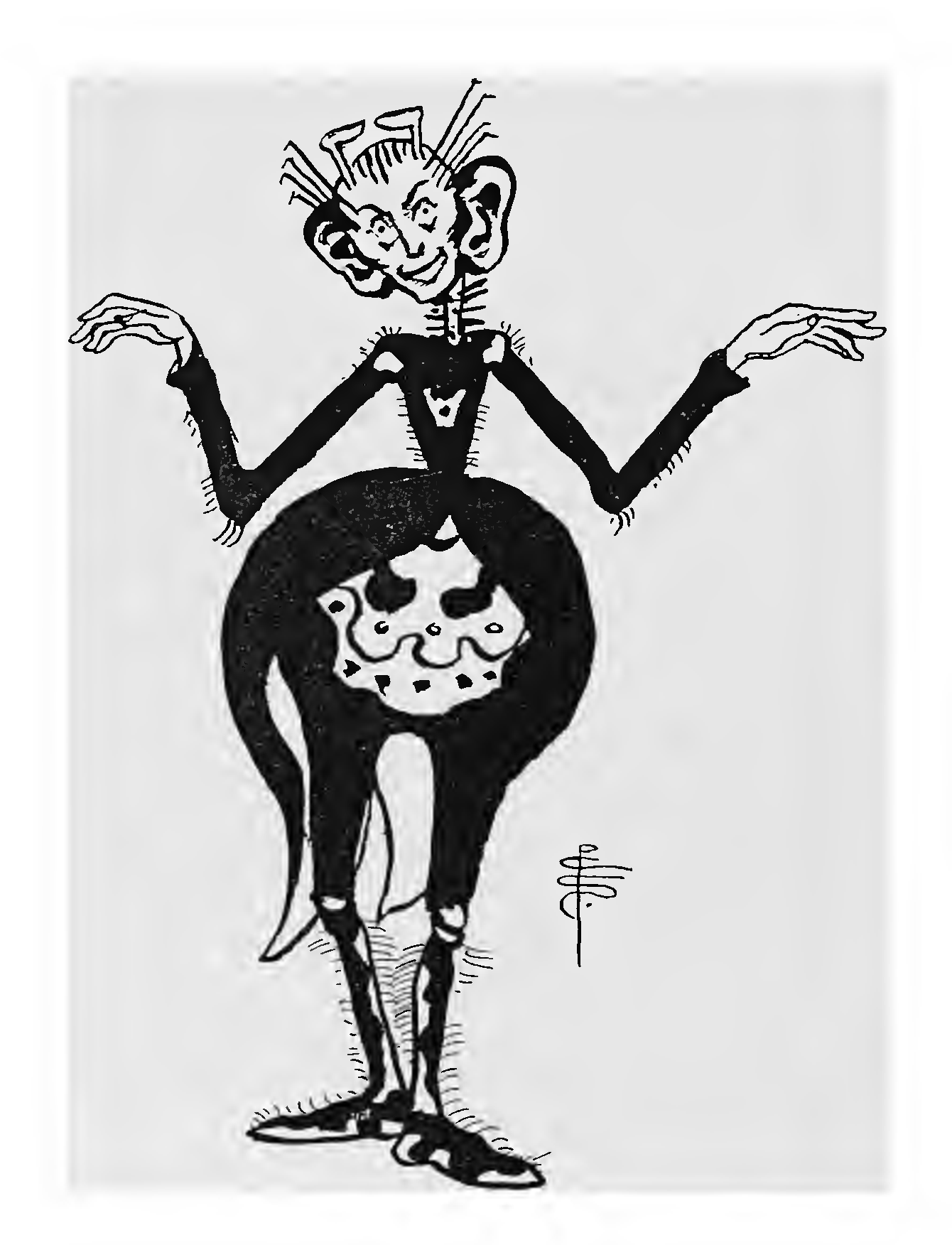
Anansi (African Folklore)
Anansi, a central figure in West African folklore, especially among the Ashanti people of Ghana, is often depicted as a spider or a man with spider-like features. He is known as a trickster god and a master storyteller, representing wisdom, cunning, and resourcefulness. Anansi’s tales often involve outsmarting others, teaching valuable lessons about life, intelligence, and the human experience.
These two mythological figures have rich narratives, with Medusa embodying themes of power and transformation, and Anansi symbolizing wit, storytelling, and the triumph of intellect over strength.

Vision Statements: Breathing Life into Myth
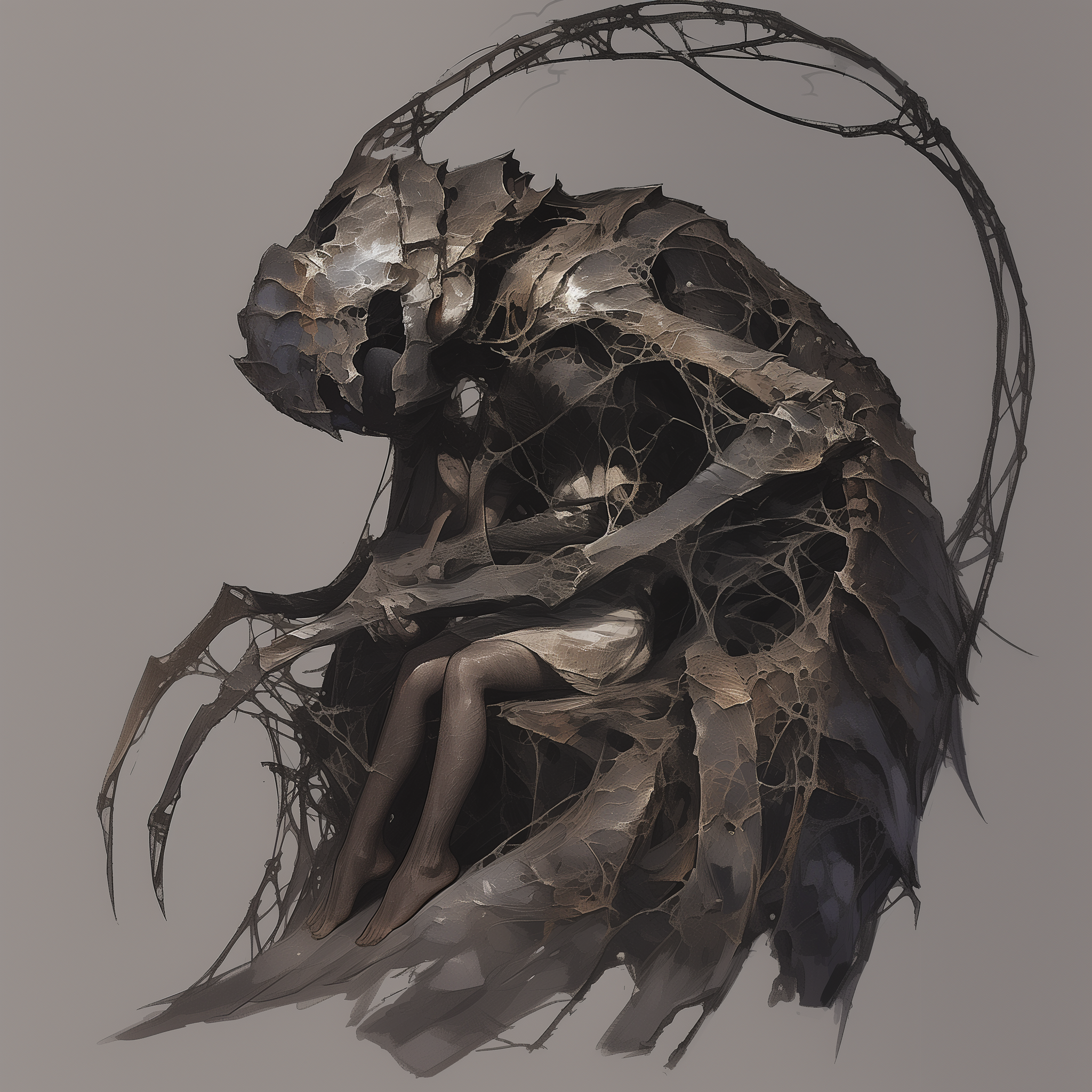
Medusa and Anansi
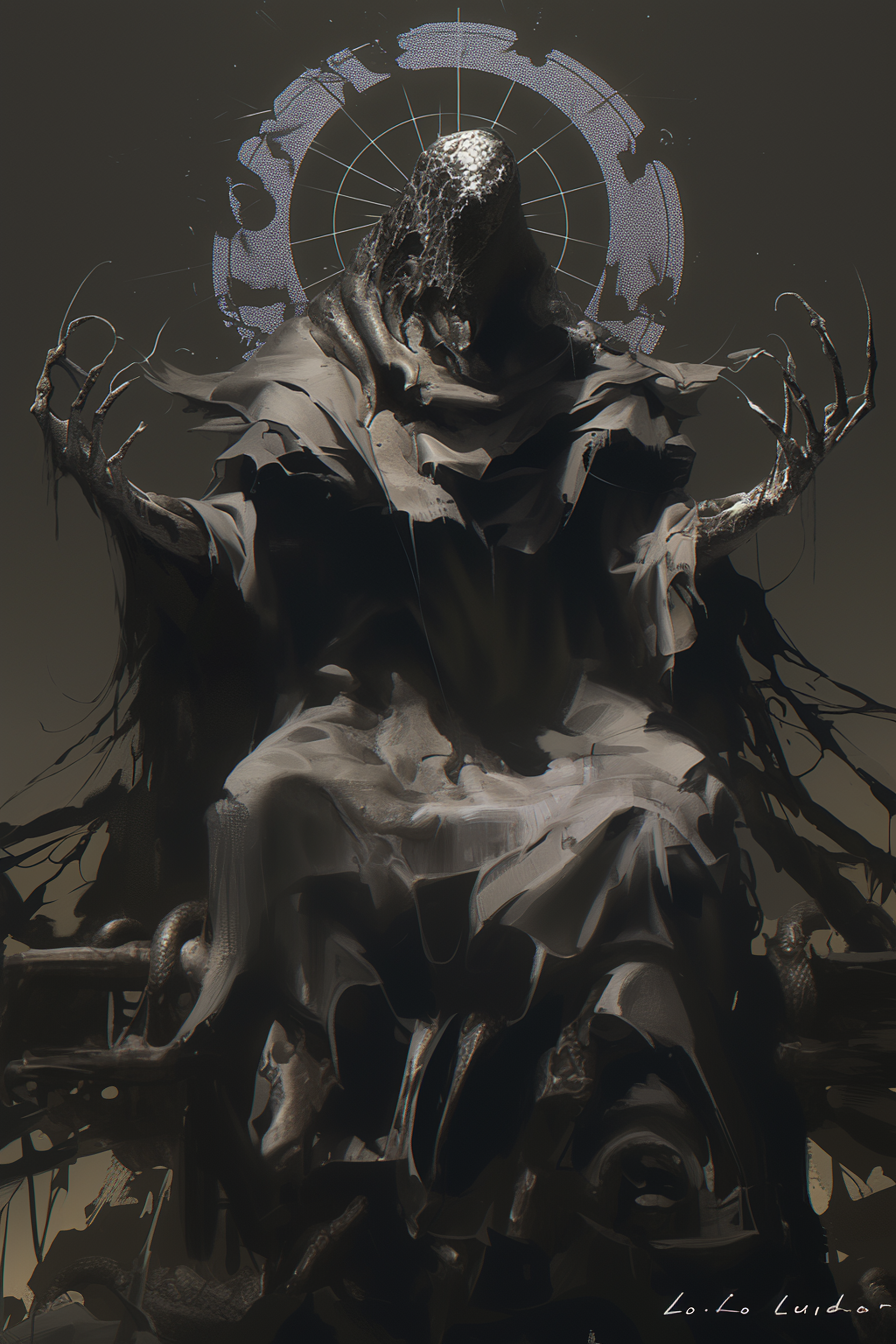
"I want this piece to convey the complex relationship between Medusa and Anansi, capturing the moment where Anansi embraces her with a sense of both protection and power. Medusa, with her face hidden, symbolizes vulnerability and mystery, while Anansi's towering, spider-like form surrounds her with intricate webbing and cracked textures. My aim is to create a hauntingly beautiful sculpture that blends strength, tenderness, and the raw, organic details inspired by surrealism, reflecting the intertwined destinies of these two mythological beings."
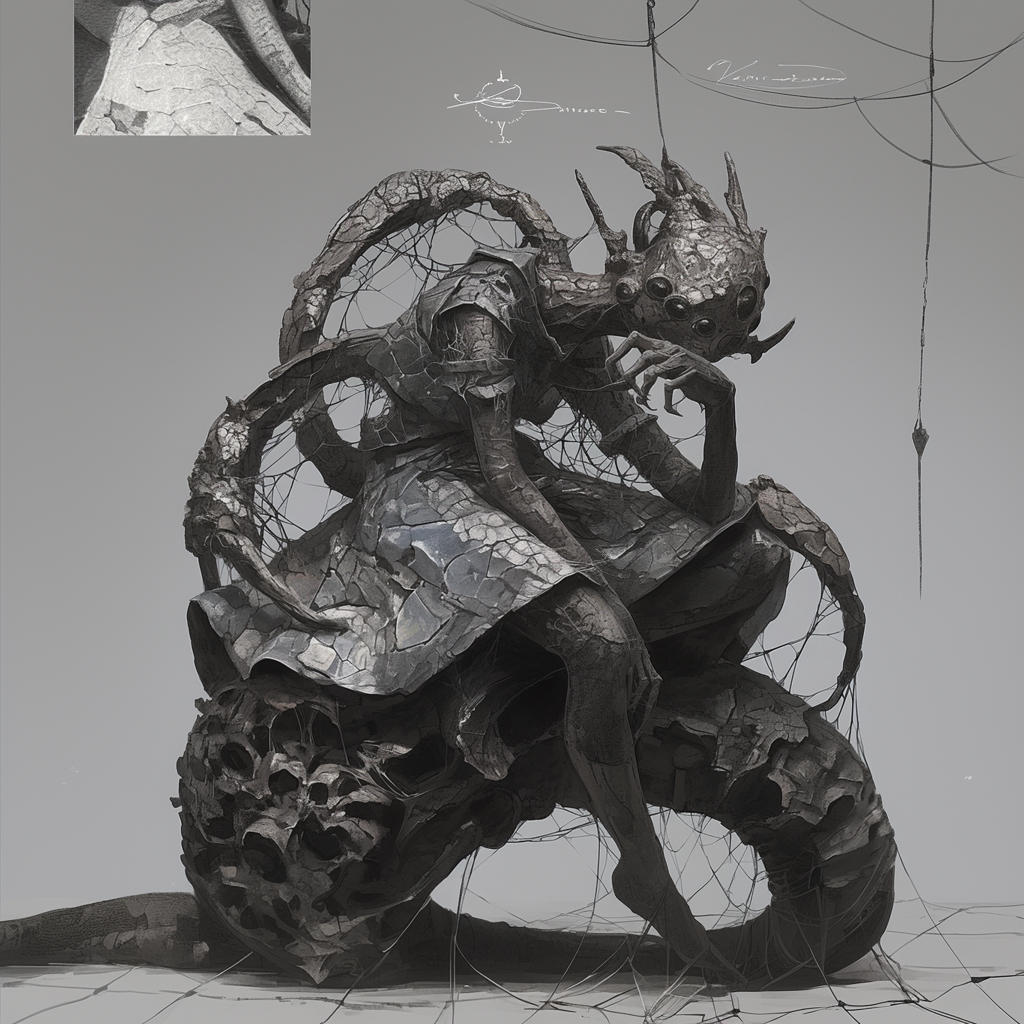
The Child
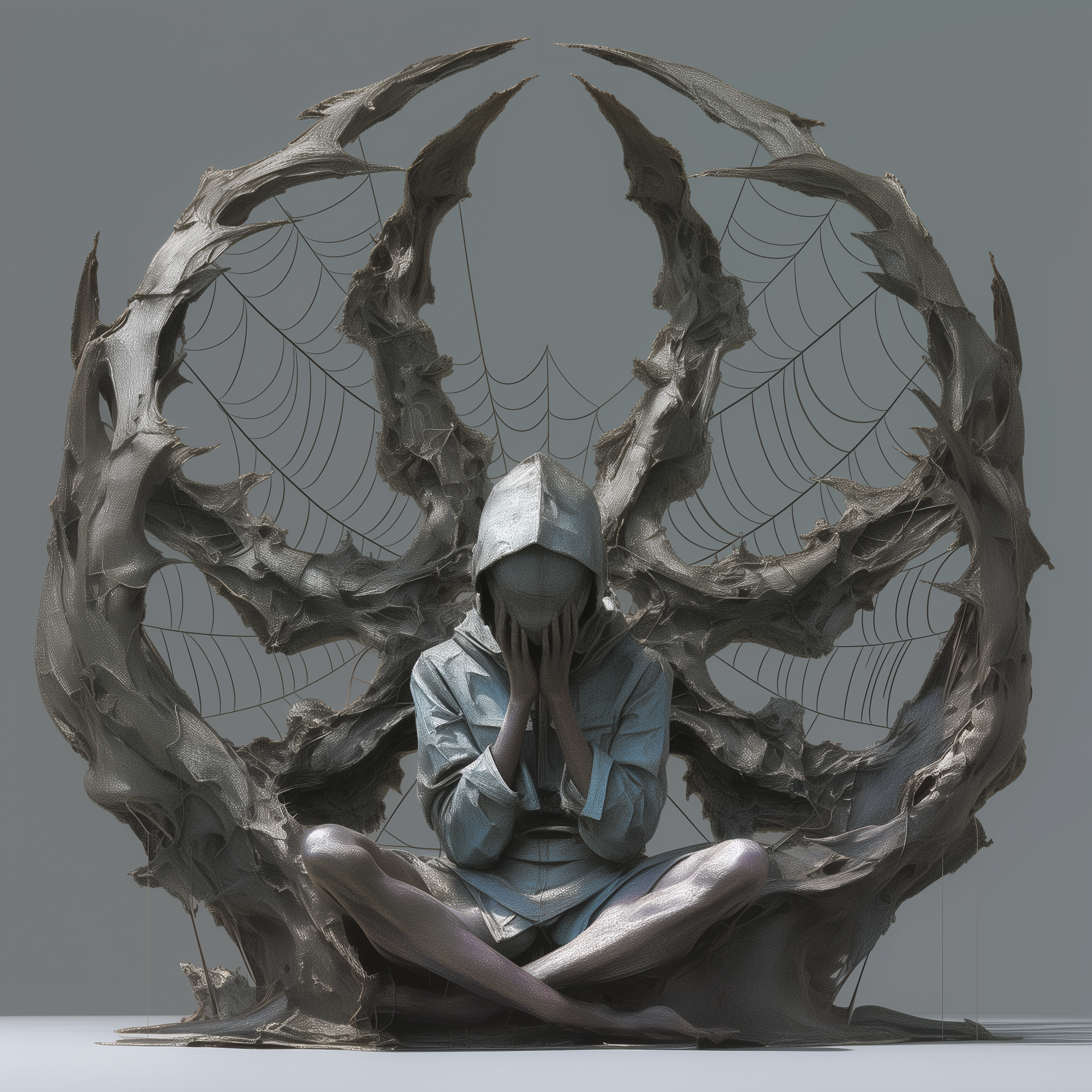
"I want this piece to show the child's contemplation of its place in the world, reflecting an inner struggle to understand its identity. Born from a union of nightmare or love, its origin remains ambiguous, open to the viewer's interpretation. The textures blend cracked stone with organic elements, representing its dual nature. The child’s posture, thoughtful and introspective, invites you to question whether it is a product of chaos or compassion, capturing the essence of both beauty and mystery, like its parents, Medusa and Anansi."
The Oracle
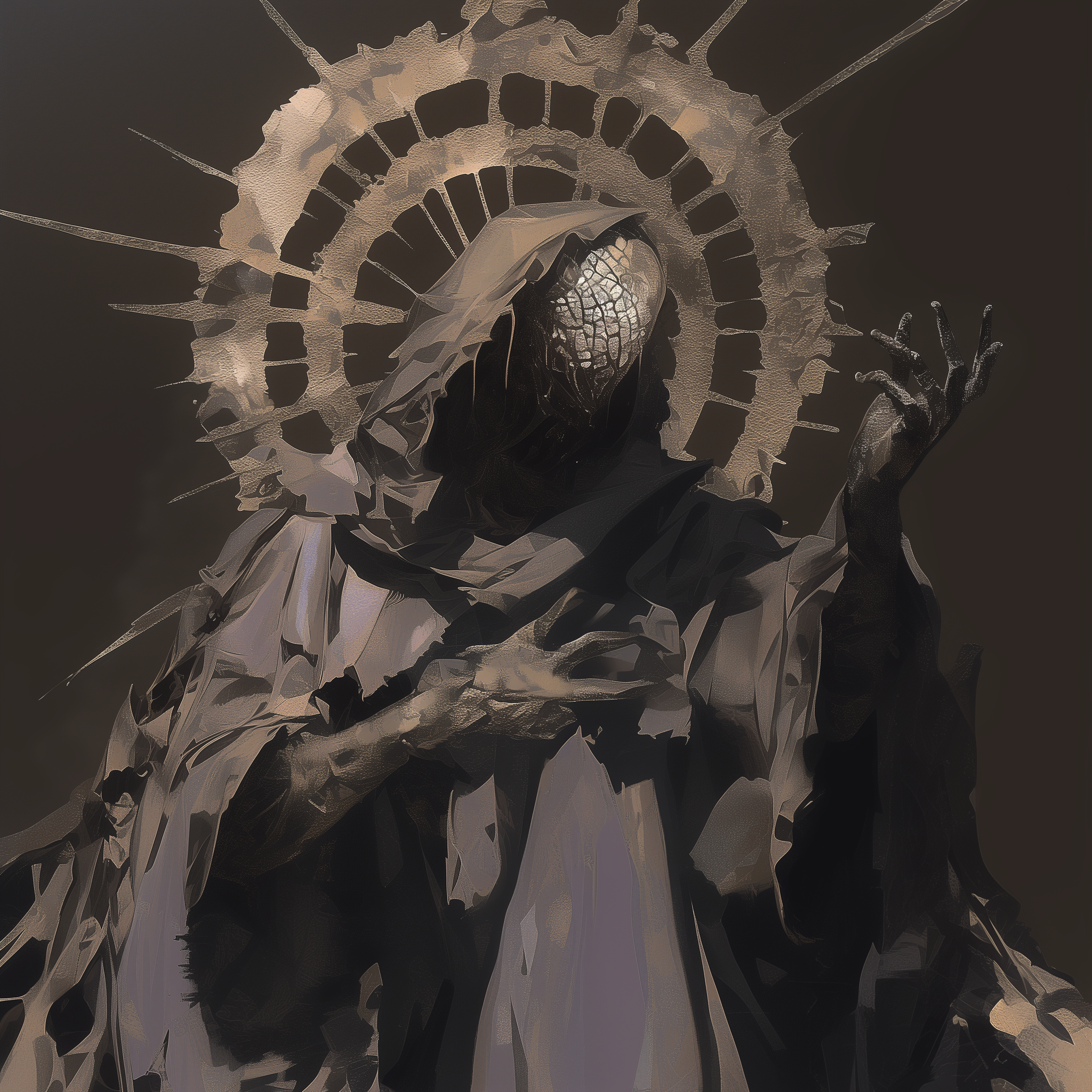
"I want this piece to embody the essence of the Oracle as a storyteller, a weaver of fate who exists between the realms of creation and destruction. It represents the balance between manipulation and enlightenment, inviting viewers to question its intentions. With textures that blend cracked earth and flowing robes, the Oracle stands as a spiritual figure, its hands poised as if telling a tale or shifting the threads of destiny. This piece is meant to provoke thought, leaving its true nature open to interpretation."
The Web of Fate
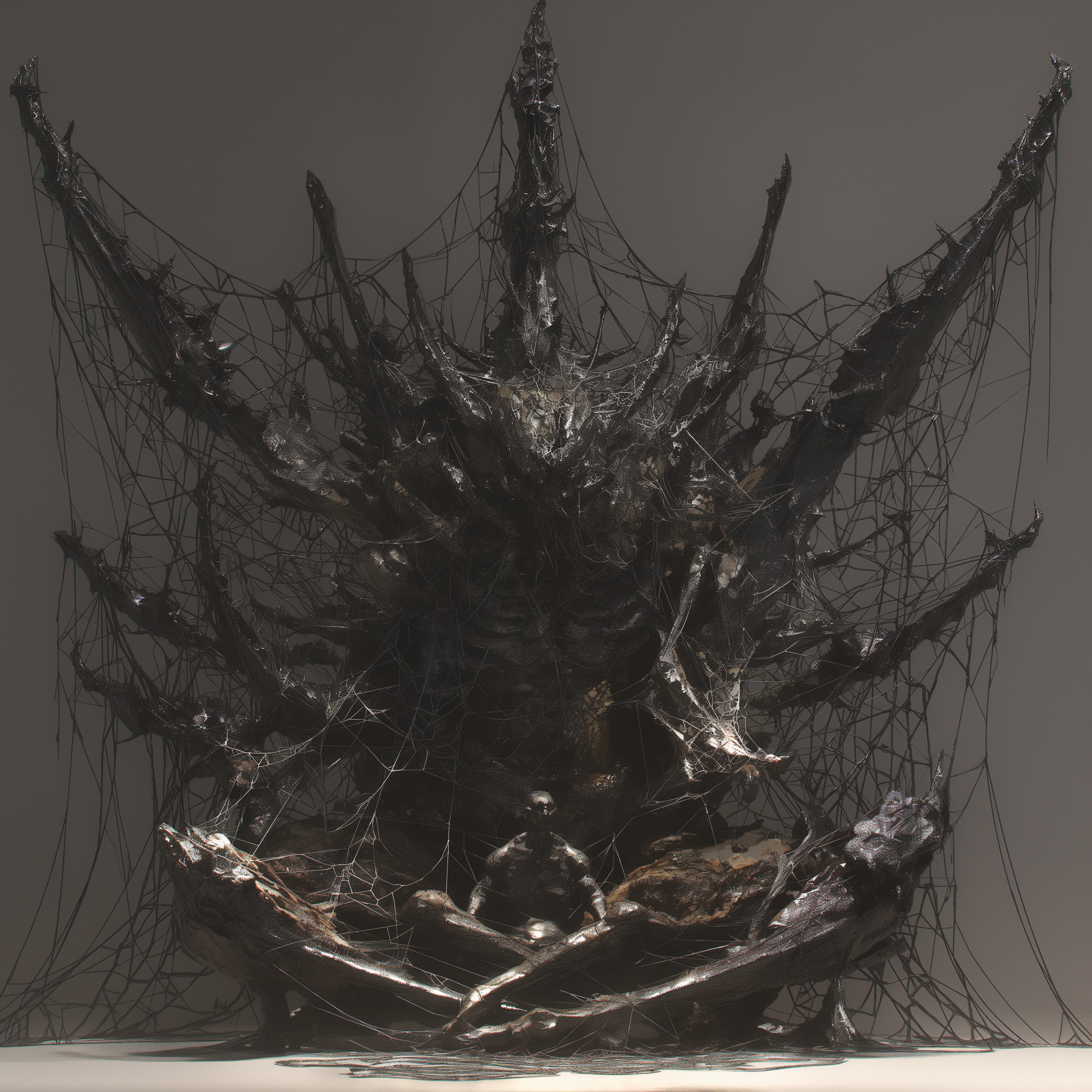
"I want this piece to draw the audience into the web of their own fate, placing them at the center of the story. The person meditating in the middle appears trapped, entangled in the chaotic threads that both form and imprison them. This sculpture reflects how fate is a tangled mess—fragile yet seemingly unbreakable, like stone. The threads take on the shape of the figure, symbolizing how we often become trapped within our own destiny, questioning whether we can break free or remain bound by our own patterns."
Concept Development
I’m currently in the concept phase, developing a series of seven figurines. So far, I've created detailed concept art for four figurines: Medusa and Anansi, The Child, The Oracle, and The Web of Fate. Using MidJourney, I've refined these designs to capture the essence of their mythological origins, blending the storytelling aspects of both African and Greek folklore.
Defining Current Challenges
The challenges I foresee stem from my decision to bake textures directly into the geometry rather than relying on surface textures. This approach means that the final 3D-printed models need to have all their details integrated, which makes the modeling process more complex. Additionally, I’m choosing not to use ZBrush for this project, as I want to deepen my experience with Houdini, where I’ve previously achieved extremely realistic results.
Sharp, Rocky Textures: Crafting realistic, cracked, and sharp stone textures directly into the model, especially for the Medusa-inspired elements.
Realistic Cloth Draping: Achieving a natural drape and flow for the Oracle’s robes, which requires a high level of simulation detail.
Spider Web Design: Creating a delicate yet intricate spider web that blends seamlessly with the design and is suitable for 3D printing.
Defining Solutions to These Challenges
Rocky Textures: I’ll use Houdini’s geometry-based workflow, utilizing VDB techniques and Boolean operations, to ensure all the rocky details are baked into the geometry itself.
Cloth Draping: I plan to use Houdini’s Vellum solver to simulate the cloth draping process, then refine the details with Stage COPNET to achieve high-resolution textures baked into the model.
Spider Web: For the web design, I’ll employ Houdini’s Vellum Solver, incorporating tearing effects for added realism, drawing inspiration from tutorials like those from Entagma.
Additional Notes
I'm excited to dive deeper into Houdini's workflows, as mastering this software will allow me to create assets with a higher level of detail and realism. I also use OpenAI and MidJourney to help brainstorm and refine ideas, which aids in generating concept art that is tailored to my vision. This blog will serve as a space where I share my progress, both creatively and technically, as I move forward in bringing these figurines to life.
Stay tuned as I continue this journey from concept to creation!